

Standard Service: Shipping Ratecard Guidance
General Introduction
This document outlines the standard shipping rates, calculation methods, and best practices for sellers using the local-to-local standard service in Mexico.Standard Shipping Rates
[From 22 June 2026 onwards] Forward logistics: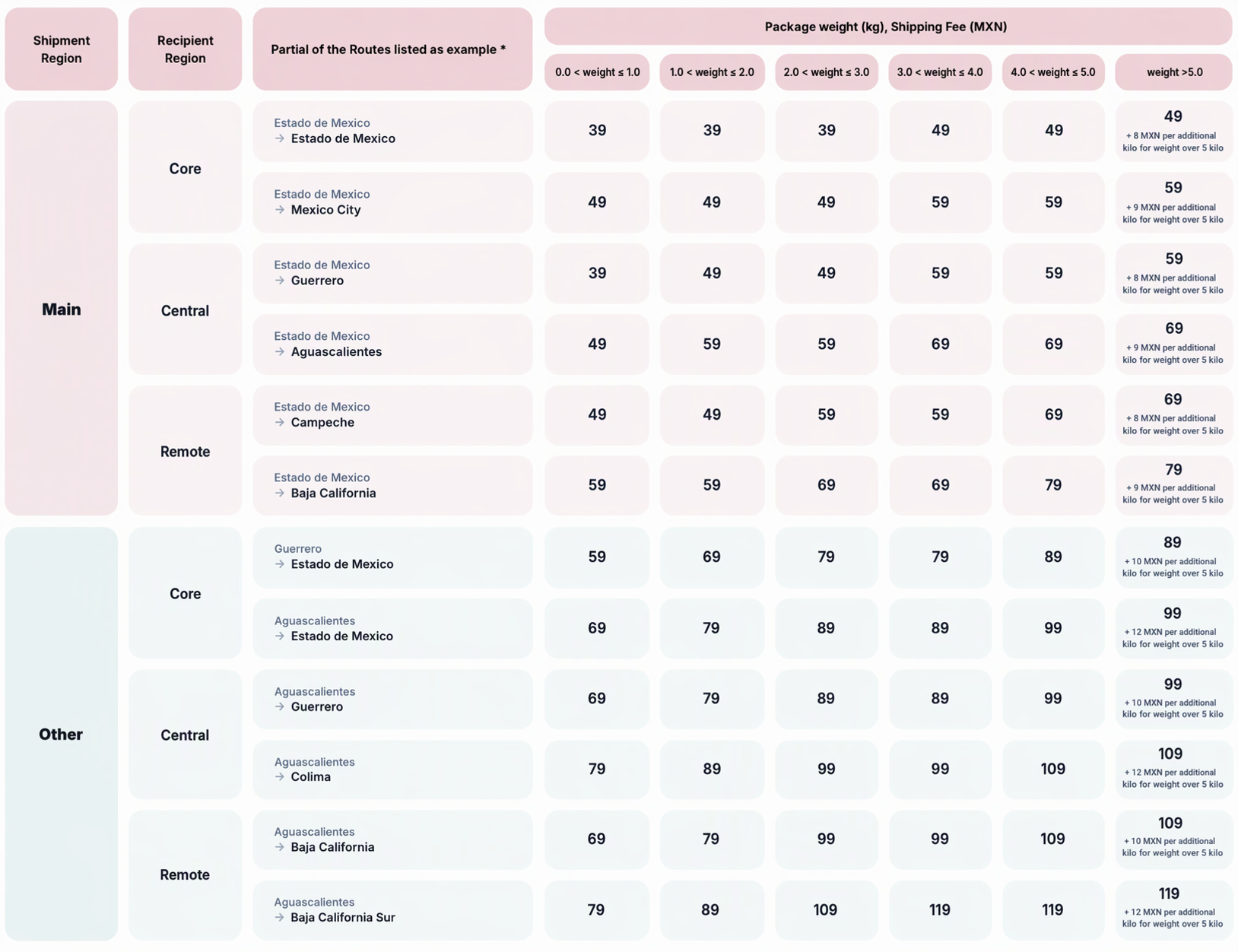 *Price includes Value-Added Tax (VAT). Packages over 30.00kg will not be accepted.
*Shipping Fee Calculation Example: For a 15kg parcel shipped from Main region (Estado de Mexico) to Core region (Estado de Mexico), the shipping fee is calculated as: Base Fee 49 MXN + Weight over 5kg × 8 MXN/kg = 49 + (15-5)×8 = 129 MXN.
*Detailed region classification can be queried via link:Mapping of States&RegionShipping fees prior to the adjustment were as follows:
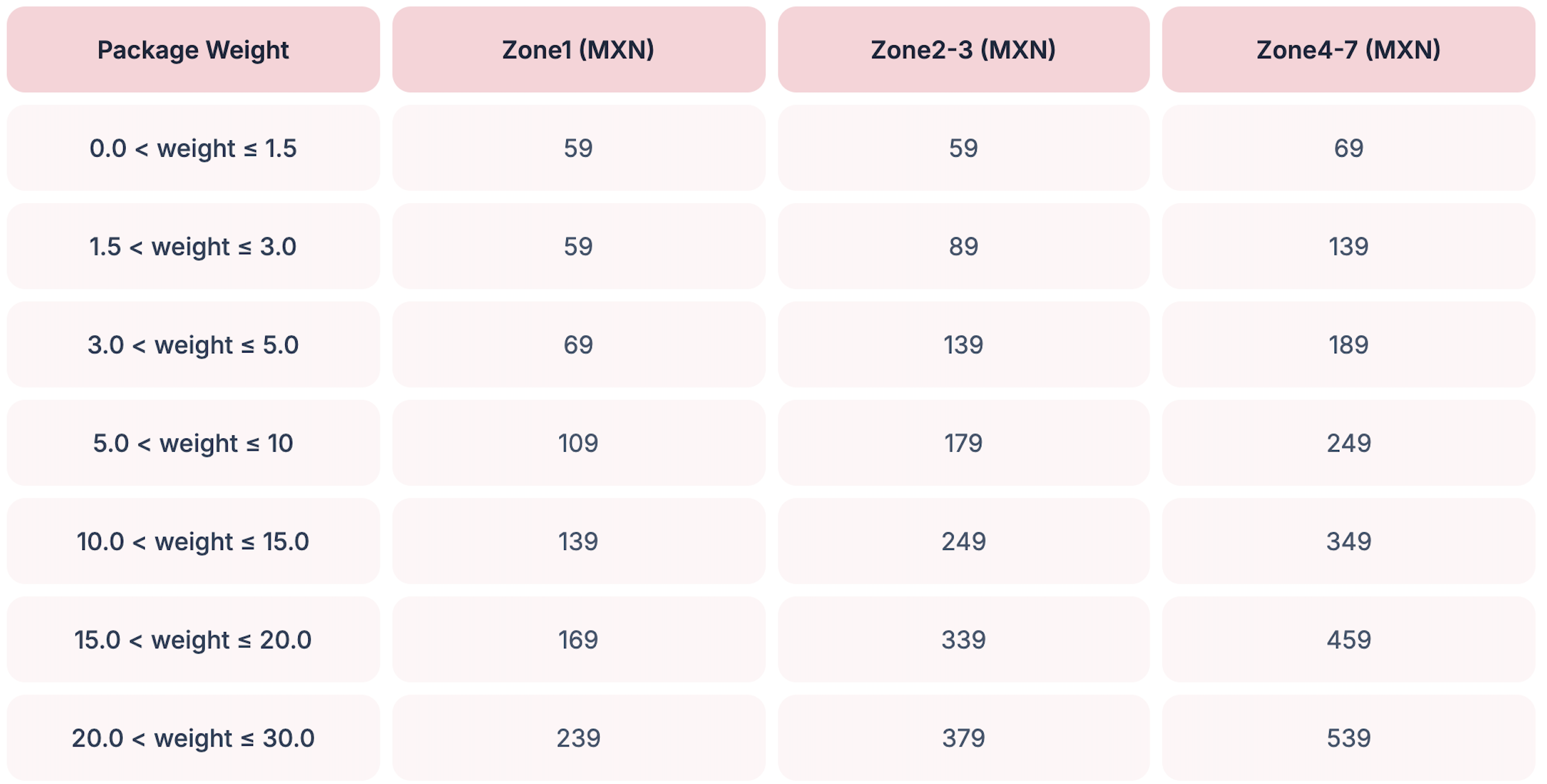 Zone represents the delivery distance from the shipping state to the customer's delivery state specified at checkout. A higher Zone number indicates a longer distance and a higher shipping fee.
*Detailed Zone classification can be queried via link: Zone definition
Note: Price includes Value-Added Tax (VAT). Packages over 30.00kg will not be accepted.
How to Calculate Chargeable Weight
The final shipping cost is determined by the chargeable weight. The chargeable weight is the maximum value among the following four measurements. Therefore, it is highly recommended that seller timely update the product weight in the system to avoid weight difference upon final settlement.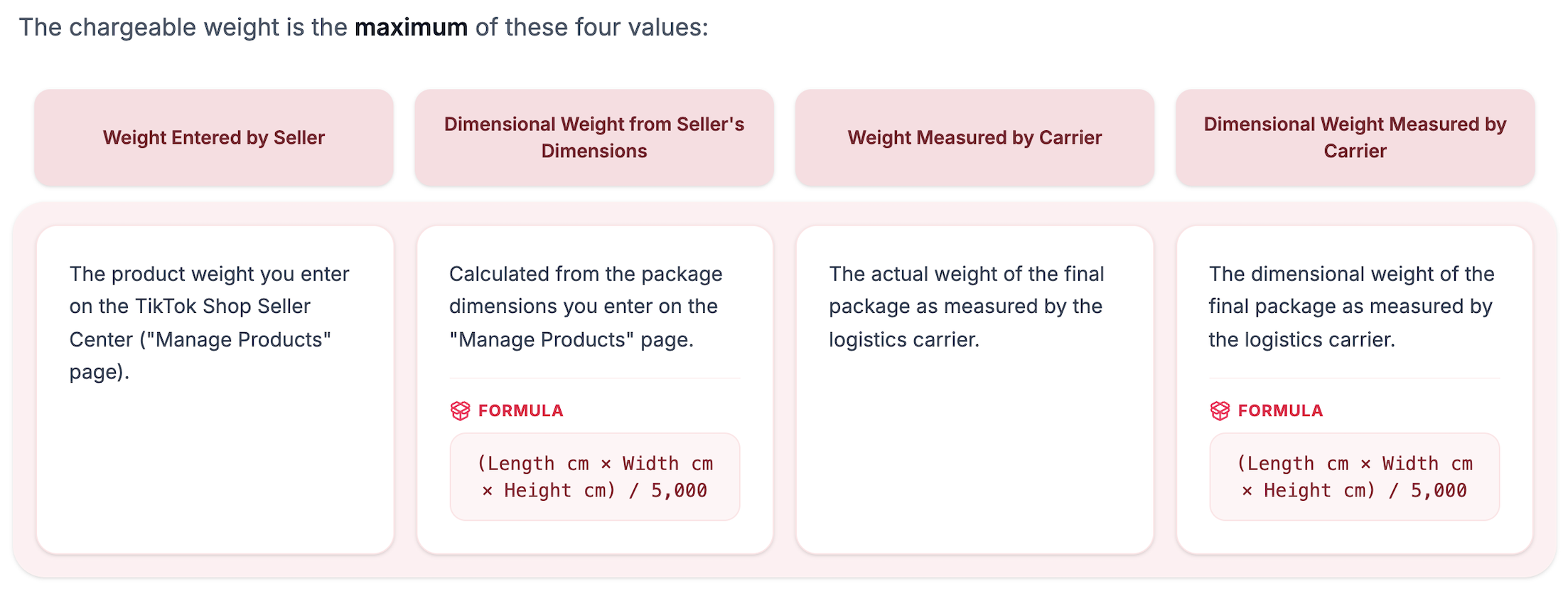 What is Dimensional Weight?Dimensional weight (or volumetric weight) reflects a package's density. It is used for light but bulky items. For example, a large box of pillows might be very light, but it takes up a lot of space in a delivery truck. Calculating dimensional weight helps carriers charge fairly for the space a package occupies.
When Are Shipping Fees Charged?
Shipping fees are charged to the seller once the order status is updated to "Delivered."
The platform will only deduct the shipping fee after the package has been successfully delivered to the customer.
Common Scenarios & Examples
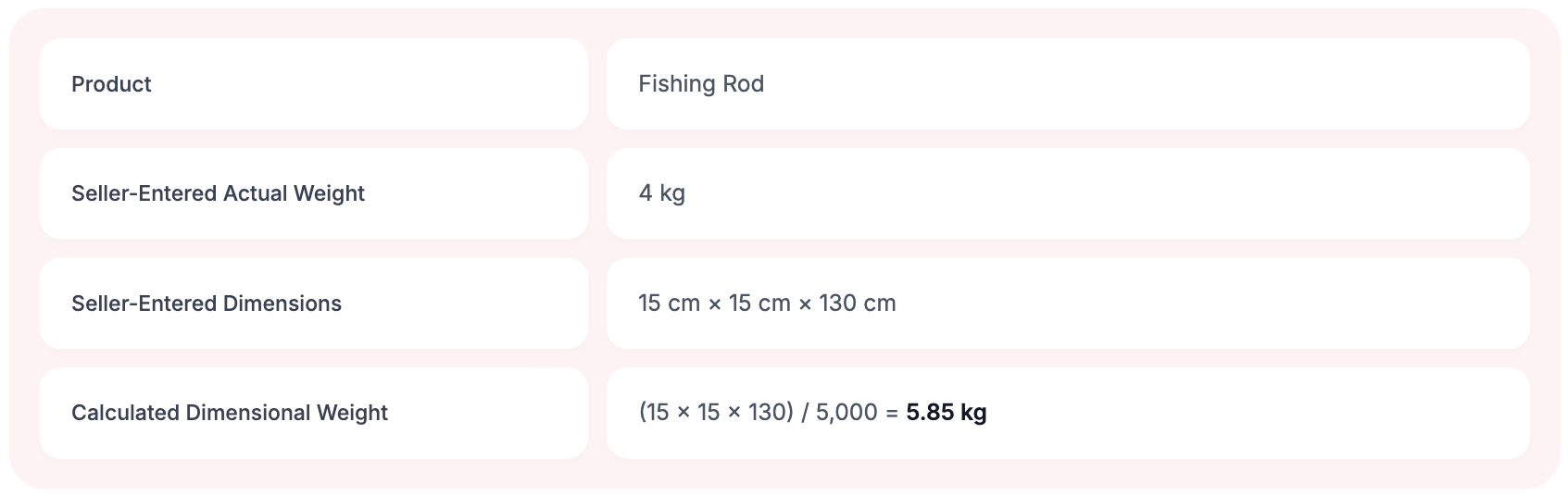
Here are some common examples to help you understand how chargeable weight affects your final shipping fee.Example 1: When Dimensional Weight is Higher than Actual WeightQ: My fishing rod weighs 4 kg, so why was I charged for a 5.58 kg shipment?
A: The shipping fee was based on the package's dimensional weight, because it was greater than its actual weight.
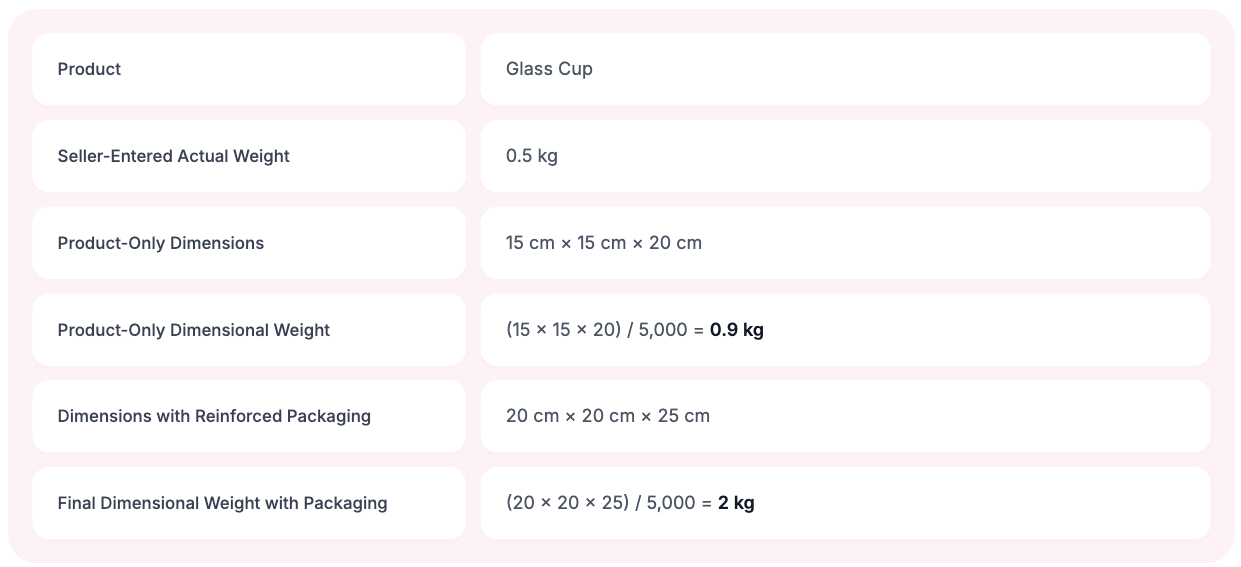
 Example 2: Forgetting to Include Packaging Weight & DimensionsQ: My glass cup weighs only 0.5 kg, but the shipping fee was calculated for 2 kg. Why?
A: You must account for the weight and dimensions of all packaging materials, including bubble wrap, boxes, and other reinforcements.
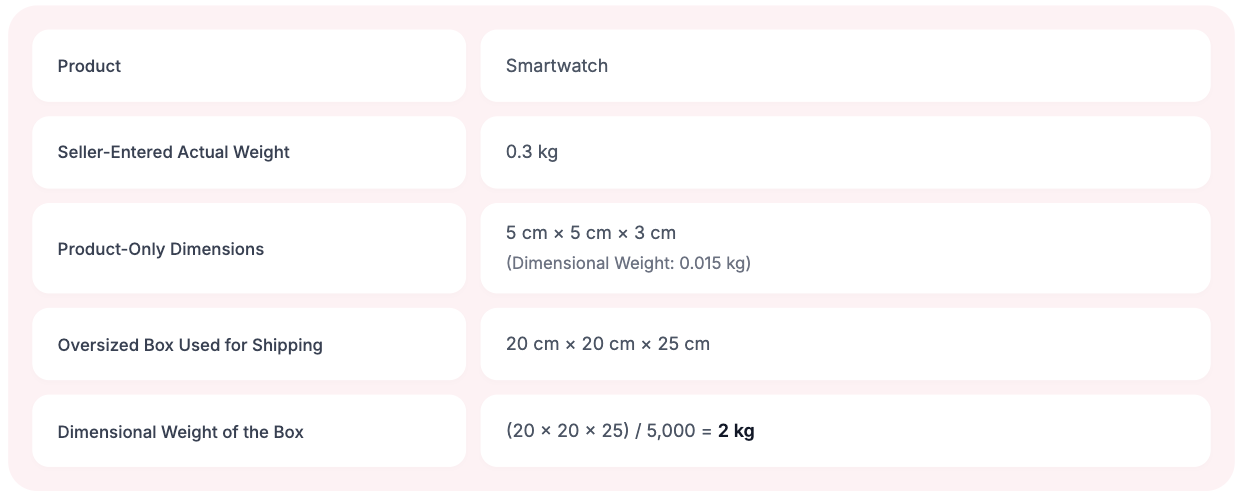
 Example 3: Using Oversized PackagingQ: My smartwatch is tiny and weighs 0.3 kg. Why was I charged for a 2 kg package?
A: Using a box that is too large for the item can significantly increase the dimensional weight. Always choose packaging that fits your product securely with minimal empty space.
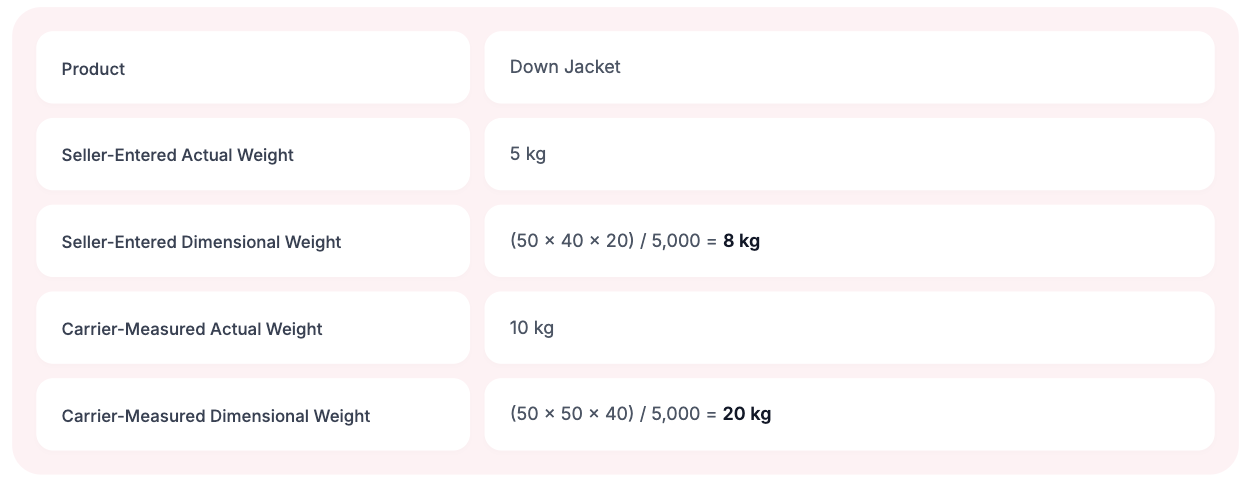
 Example 4: Discrepancy Between Seller and Carrier DataQ: My down jacket weighs 5 kg, and its dimensional weight is 8 kg. Why was the final chargeable weight 20 kg?
A: The platform uses the maximum weight recorded, whether from you or the carrier. In this case, the carrier's measurement of the package's dimensional weight was the highest value.
Best Practices for Sellers
Follow these tips to ensure accurate shipping fee calculations and avoid unnecessary costs or penalties.# | DOs ✅ | Example |
| 1 | When entering product dimensions and weight, always include the outer packaging. |  |
| 2 | Choose packaging materials that match the size and weight of your product. Avoid using boxes that are too large. |   |
| 3 | For bundled products or items with free gifts, calculate the total dimensions and weight of the final, combined package. |  |
| 4 | For irregularly shaped items (e.g., extra-long, wide, or tall products), always calculate and double-check the dimensional weight. | 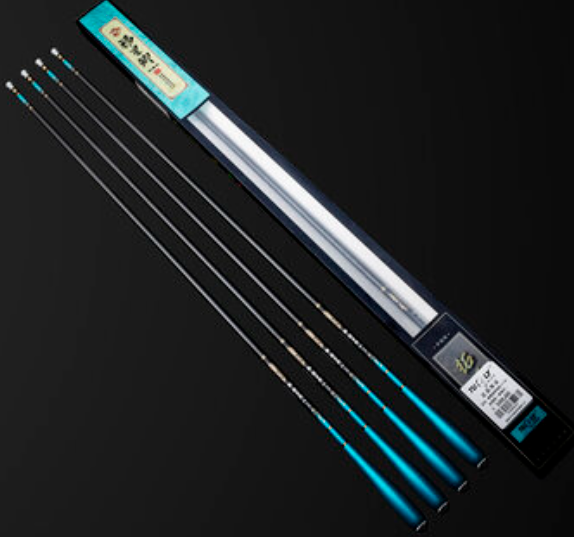  |
| 5 | Enter weight and dimension information truthfully and accurately. False information can lead to billing errors, package rejections, returns, or other platform penalties. | |
| 6 | If you use a third-party warehouse (3PL), ensure their final packaging methods align with the information you enter on the Seller Center. | |
| 7 | Products that require reinforced packaging (e.g., electronics, liquids, fragile items) should be measured after all protective materials have been added. | 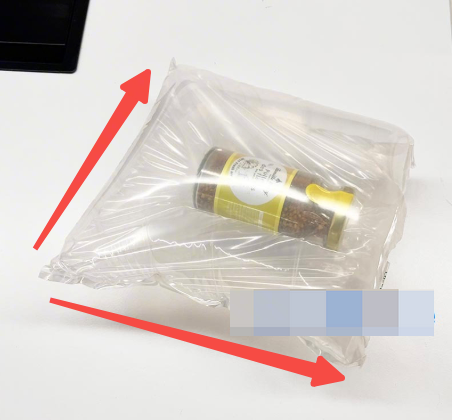 |
Shipping Fee Verification
To ensure accurate shipping fees and protect your interests, we may conduct shipping fee verification on selected orders. For such orders, shipping fee will initially be charged based on the weight&dimension data you declared on the platform to calculate first. After verification is completed, any overpayment will be refunded and any underpayment will be collected accordingly, or the estimated shipping fee will be the final version(No Change).# | Content | Page |
1 | On the Net Shipping Fee of Settlement Breakdown Page, you can check if the shipping fee is in the calculation process. When it shows ' Estimated', it means Tiktok Shop is reviewing the shipping fee. | 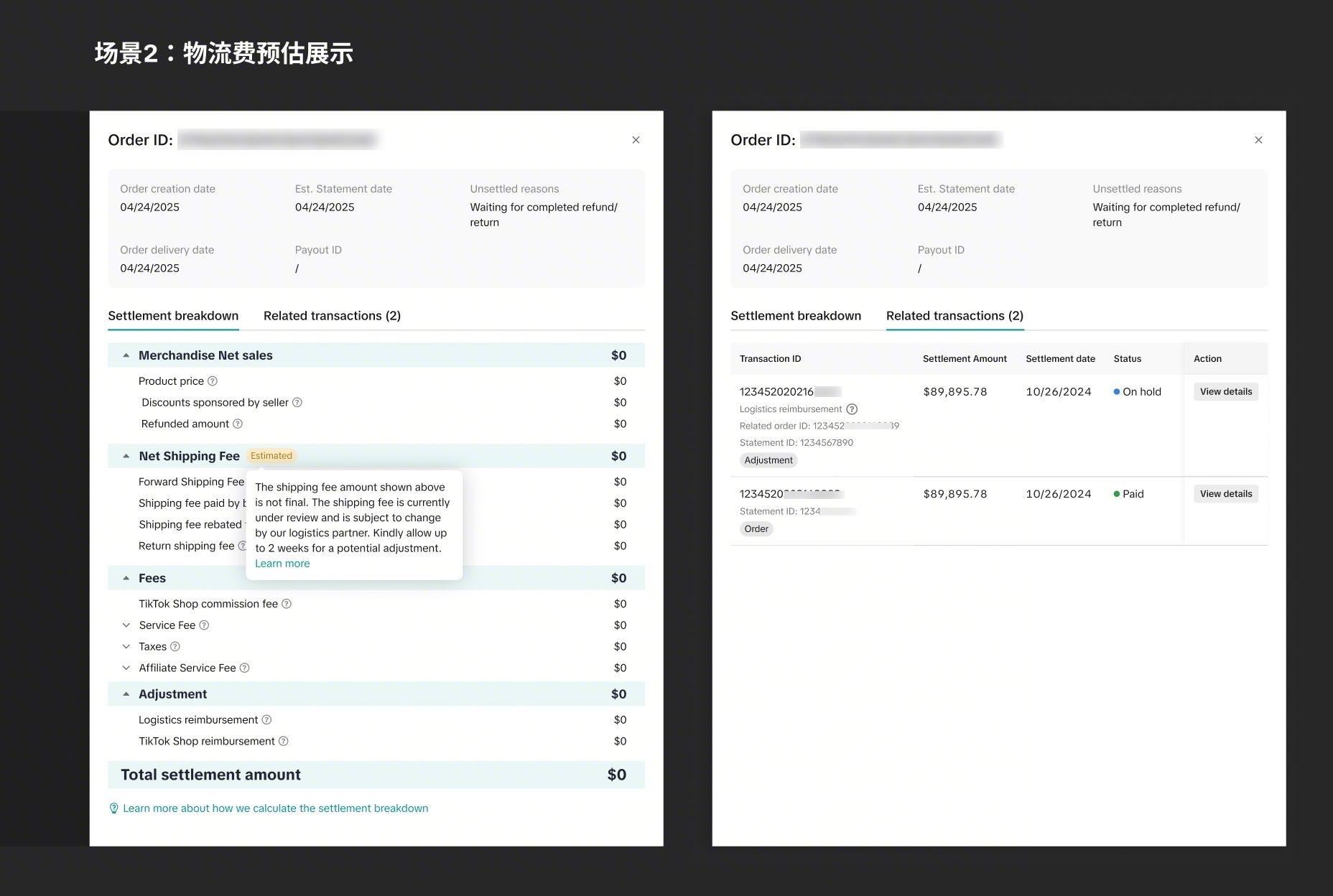 |
2 | When we finish the review and this order has a shipping fee gap, you will see an additional status 'Adjustment', which presents the fee we charge/return to you. | 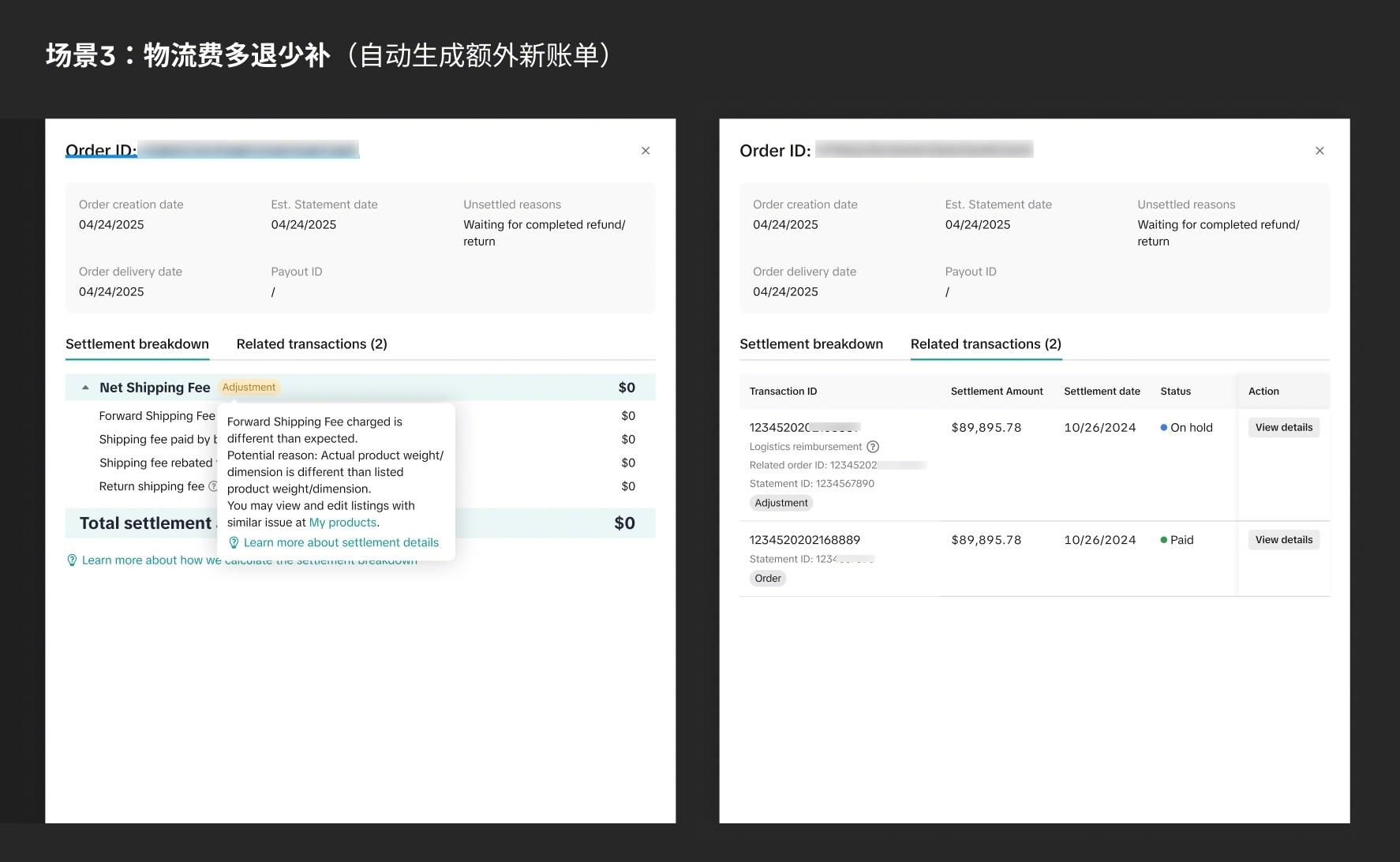 |
How to Raise a Shipping Fee Issue
If you believe there has been an error in your shipping fee calculation, you can contact our support team through the Seller Center.Channels to raise for the shipping fee related issues
Step | 1 | 2 | 3 |
| Option 1 | 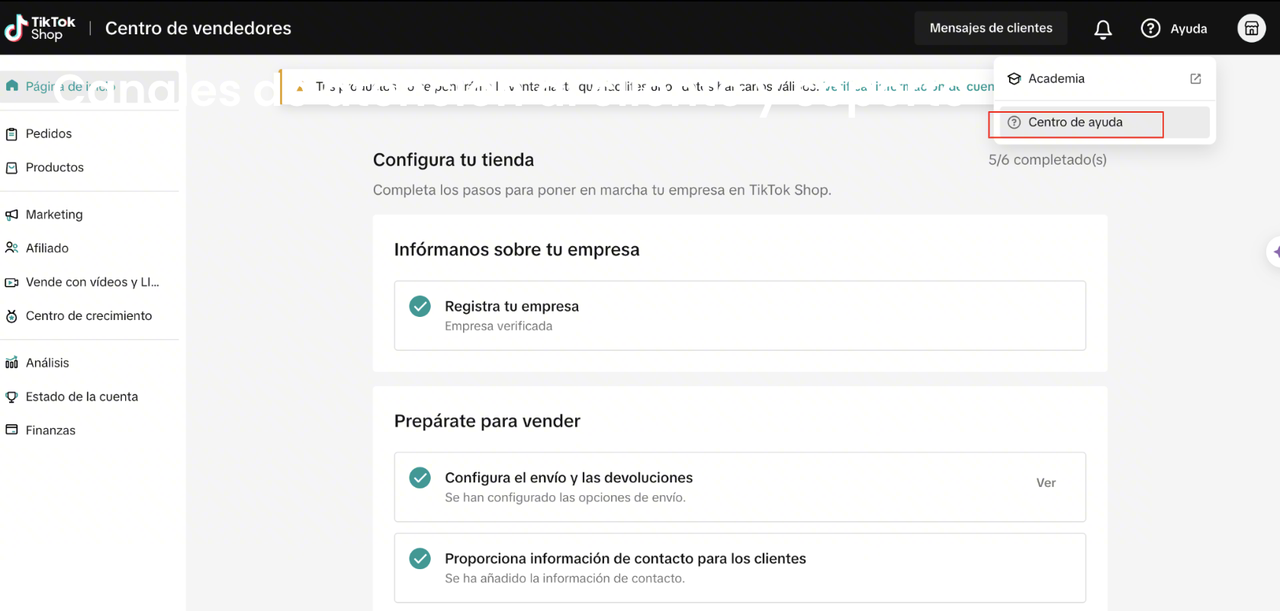 |  | 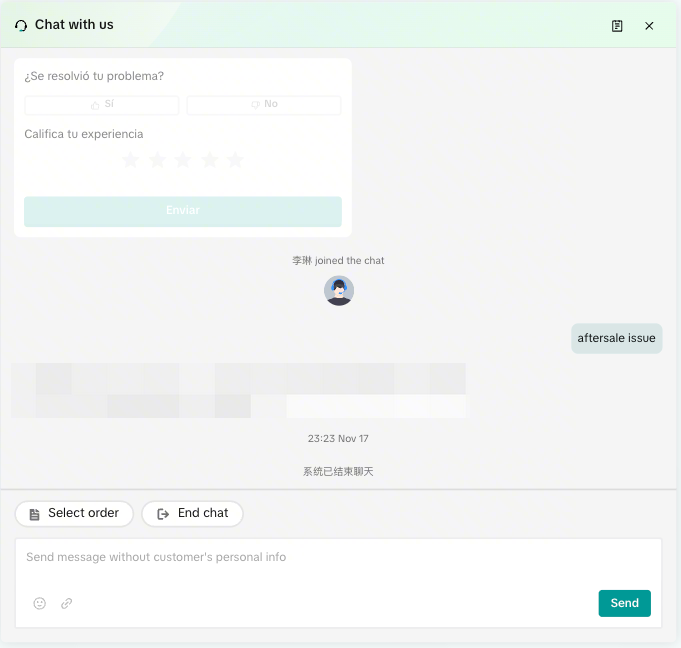 |
| Option 2 | 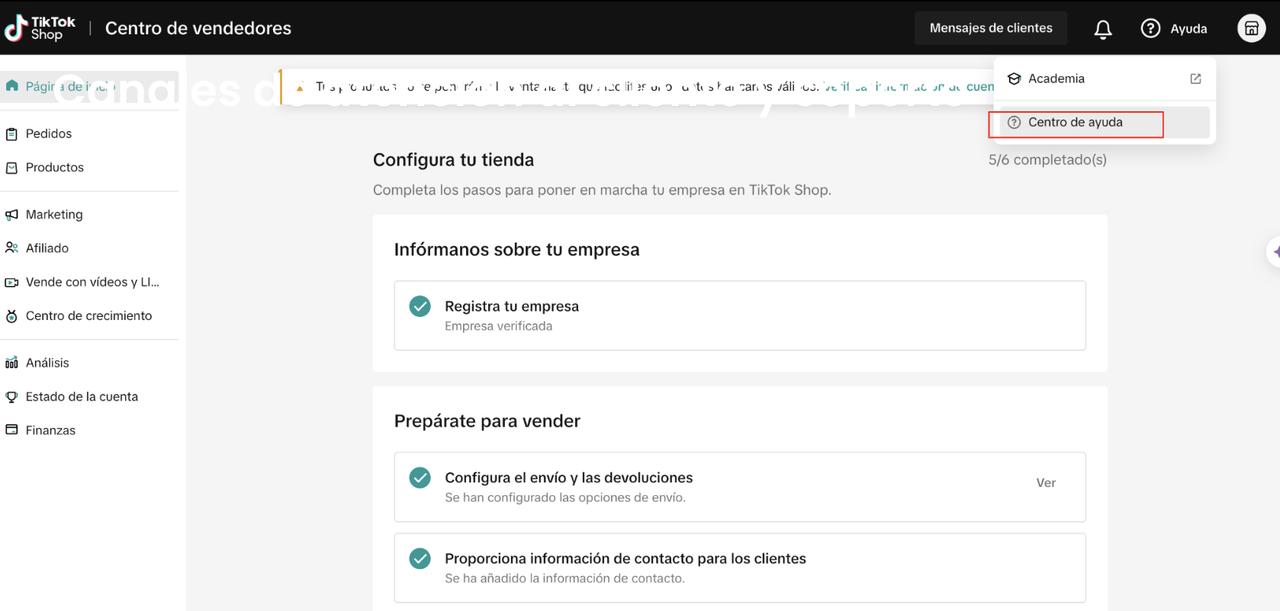 | 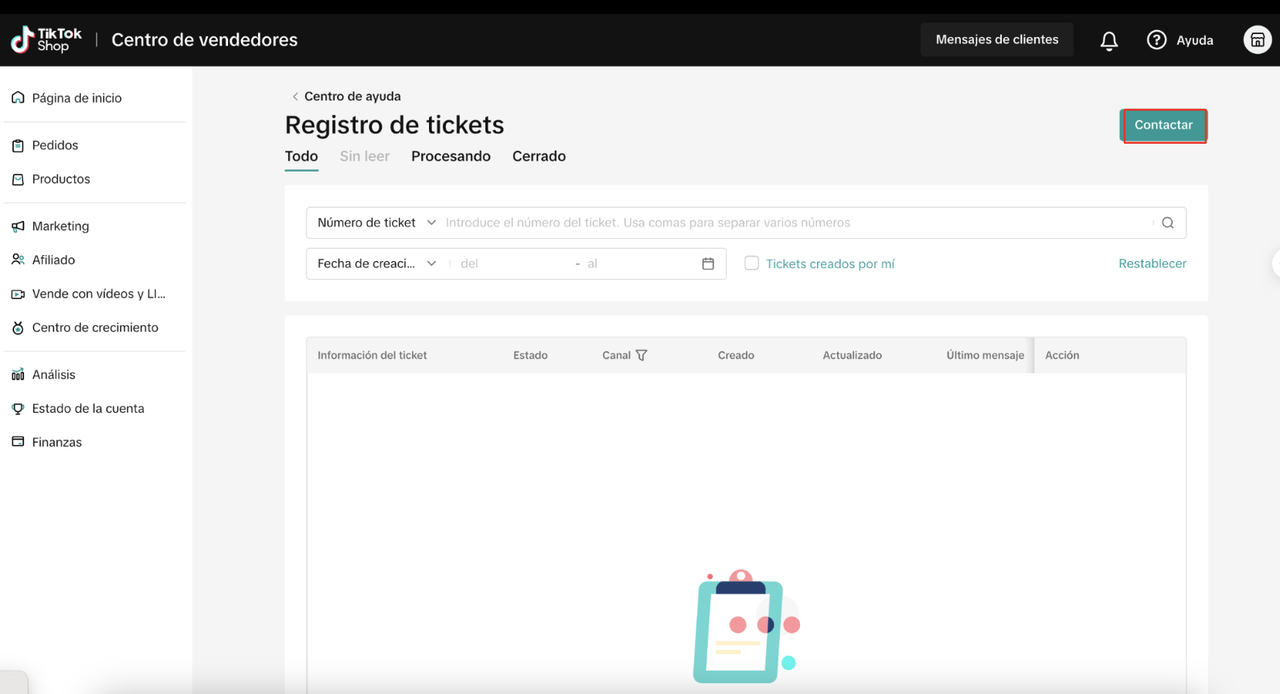 | 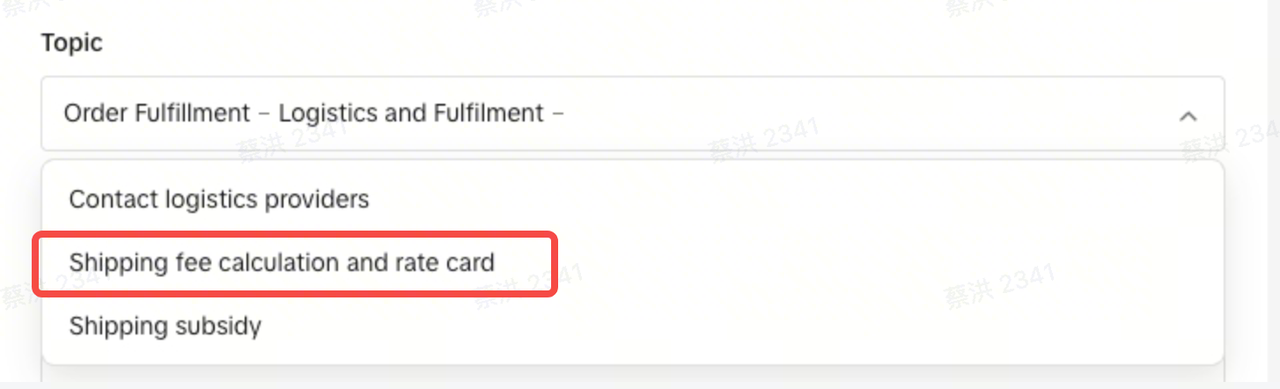 |
Evidence Preparation Guide for Shipping Fee Disputes
To help our team resolve your issue quickly, please prepare clear and valid evidence before submitting a ticket.| Type | What we recommend ✅ | What we can not accept and handle ❌ |
| Sellers need to prepare and provide |
|
|
| Example | 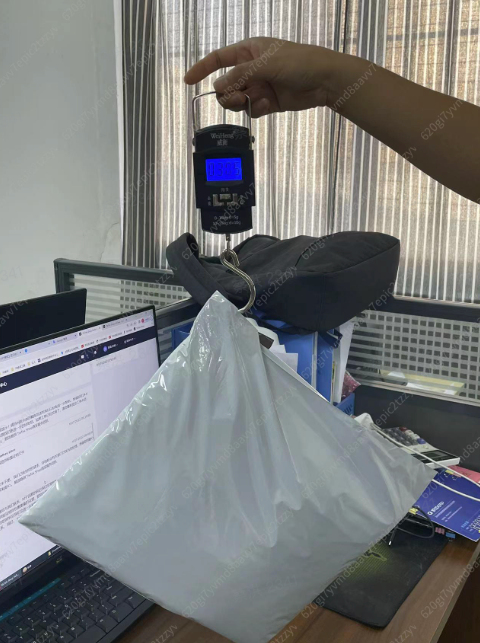 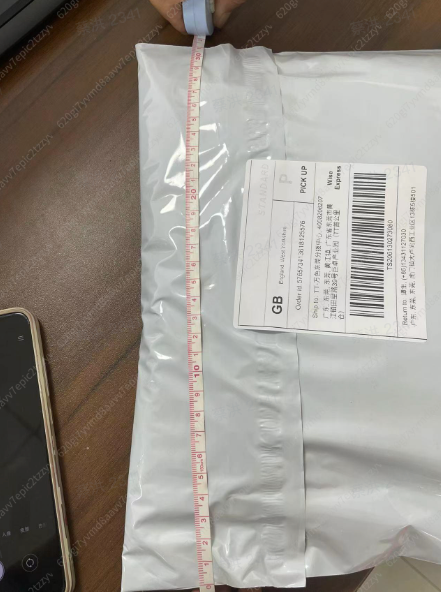  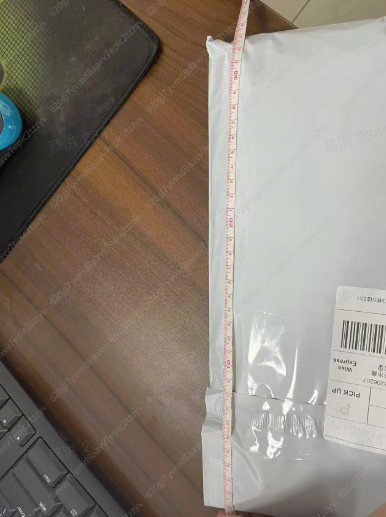 |