

Detailed Rules for [Product Damage]
What is "Product Damage"
It refers to issues such as physical damage, incompleteness, deformation, fragmentation, leakage, scratching, denting, breakage and detachment of the product itself, its accessories or internal packaging when received by the consumer.
What Types of Violations Are Included in the "Product Damage"
(1) The product itself has defects or damage
- The product has defects, damage or other issues upon production, and the seller fails to inspect it before shipment, resulting in the consumer receiving a damaged product.
(2) Product damage caused by improper packaging
- Damage occurring during transportation due to inadequate packaging materials, insufficient cushioning, substandard carton sealing, lack of drop/pressure protection, and other similar reasons.
Examples of Common Types of Violations
Violation Type | Example of violation scenario | Example image of violation scenario |
Defects or damage in the product itself |
| Product not inspected before shipment, resulting in defects such as scratches  |
Damage caused by improper packaging |
| Packaging mirrors only in a bag (without a carton) can easily result in damage  The mirror is not fully wrapped with bubble wrap or EPE foam 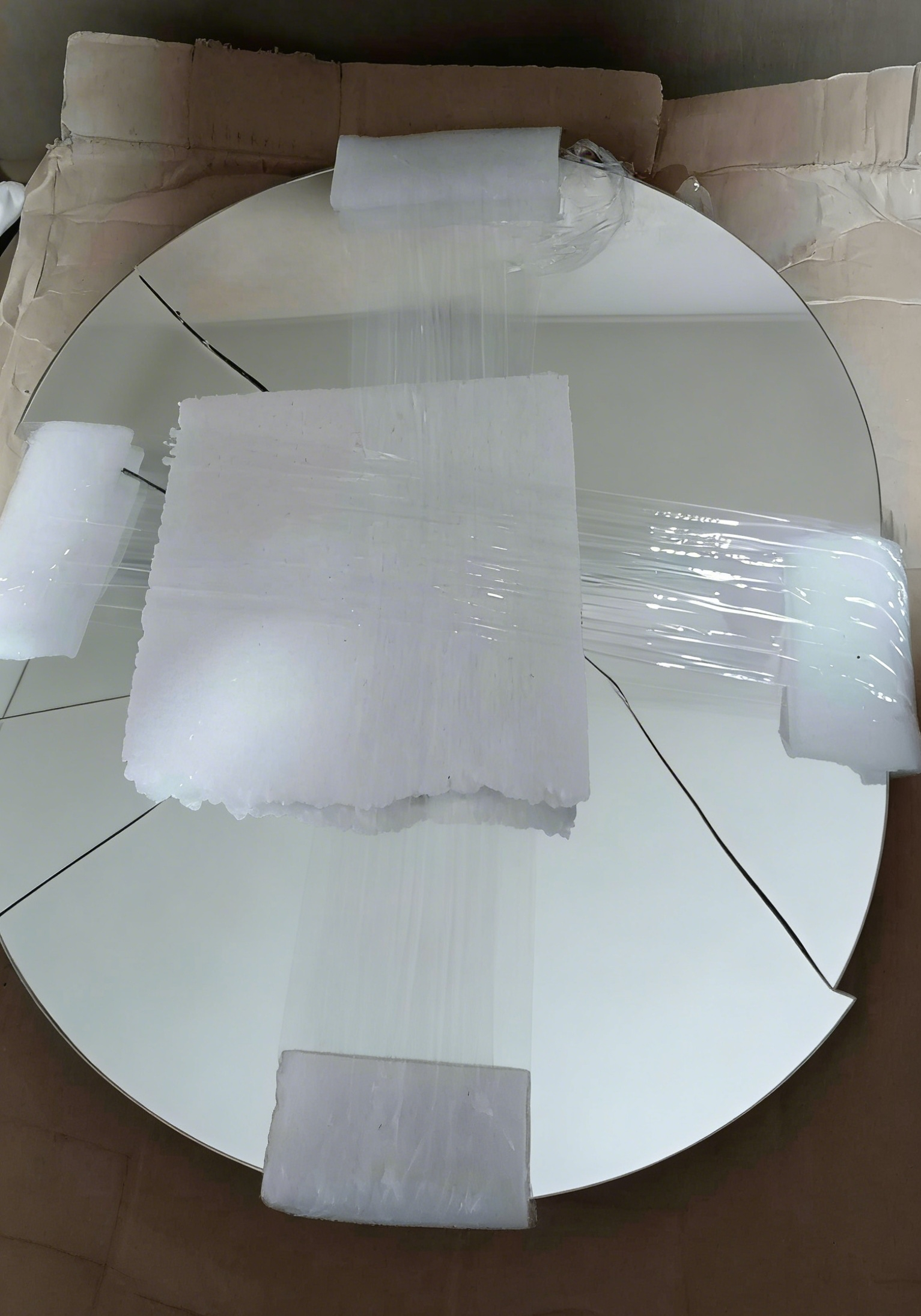 |
Violation Handling
The platform will identify negative feedback from consumers regarding product damage through multiple channels, including order reviews, after-sales service records, and complaints. If the volume and proportion of such negative feedback are high, the platform reserves the right to take corresponding enforcement actions based on the violation scenarios listed in the table below.
Violation scenarios | Violation handling |
Minor | Warning |
Moderate | Minimized visibility, product freezing, deactivate products |
Serious | Traffic restriction, product freezing, seller AHR deduction, restrict listing in the corresponding categories. |
Packaging Improvement Suggestions for Key Categories
Common Types of Fragile/Vulnerable Products
- Glass products: mirrors, daily-use glassware, glassware and kitchen utensils, glass handicrafts, etc.;
- Ceramic products: daily-use ceramics, ceramic handicrafts, sanitary ceramics, etc.;
- Plastic products: thin-walled plastic containers, acrylic products, plastic models, etc.
Packing Suggestions
- Completely wrap the entire product with shock-absorbing materials such as bubble wrap or foam to prevent damage from impacts. Secure the seams with tape to prevent the protective materials from shifting;
- For the four corners and irregular or protruding parts of the product, it is recommended to add an extra 1–2 layers of wrapping with bubble wrap, EPE foam, or other shock-absorbing materials, or use foam corner protectors, to ensure that all edges and corners are fully covered with no protrusions;
- If multiple fragile products are packed together, ensure that each item is provided with independent shock-absorbing packaging. Fragile parts such as straws and cup lids shall be packed individually before overall packaging;
- It is recommended to fill the gaps between the product and the outer carton with shock-absorbing materials such as bubble wrap and air pillows to prevent damage caused by product shaking during transportation;
- Attach a fragile product warning label to a prominent location on the outer packaging of fragile items.
Category packing rxample:
Category | Packing suggestion | Packaging example image |
Mirrors |
| 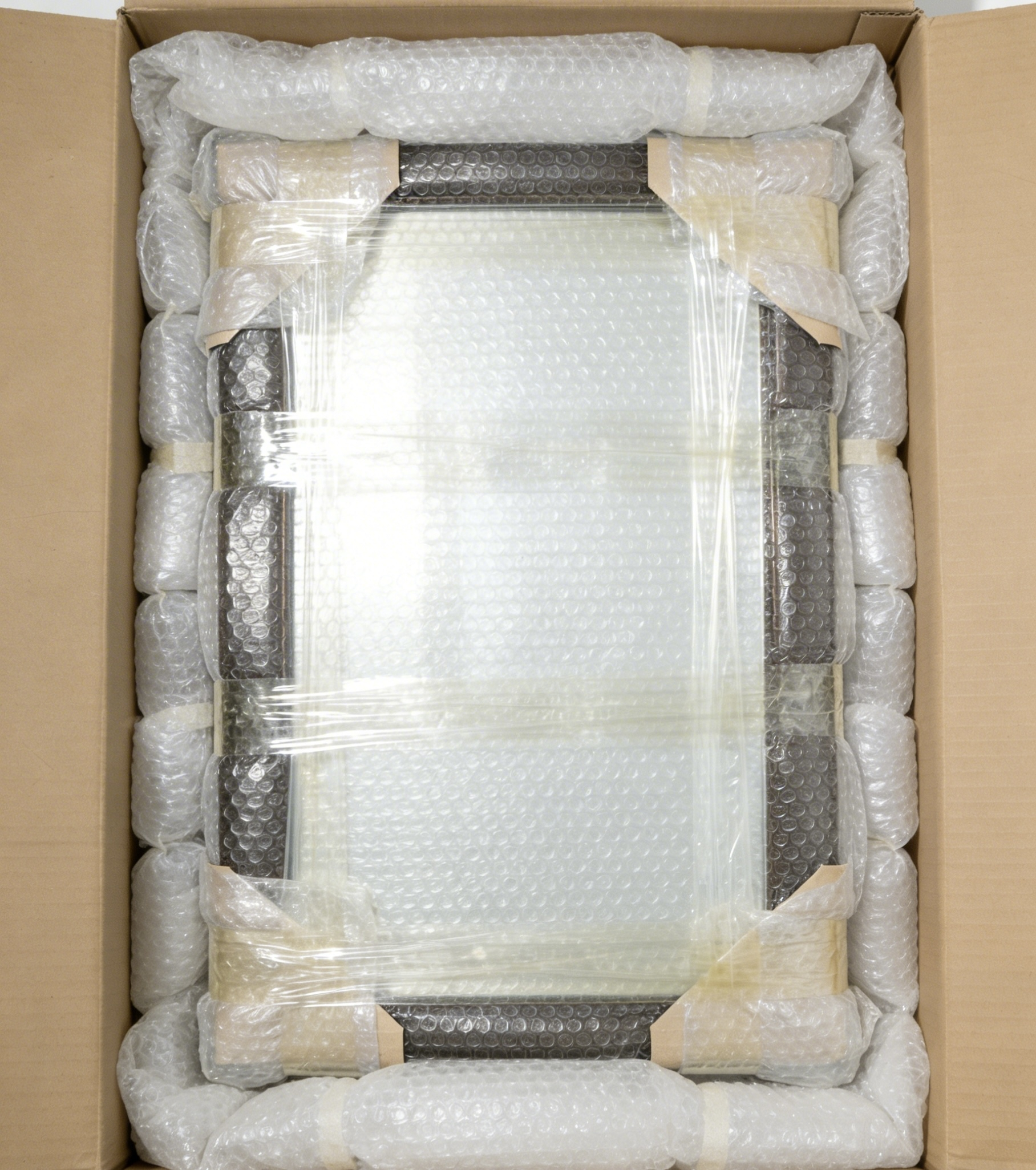 |
Glass products
|
| 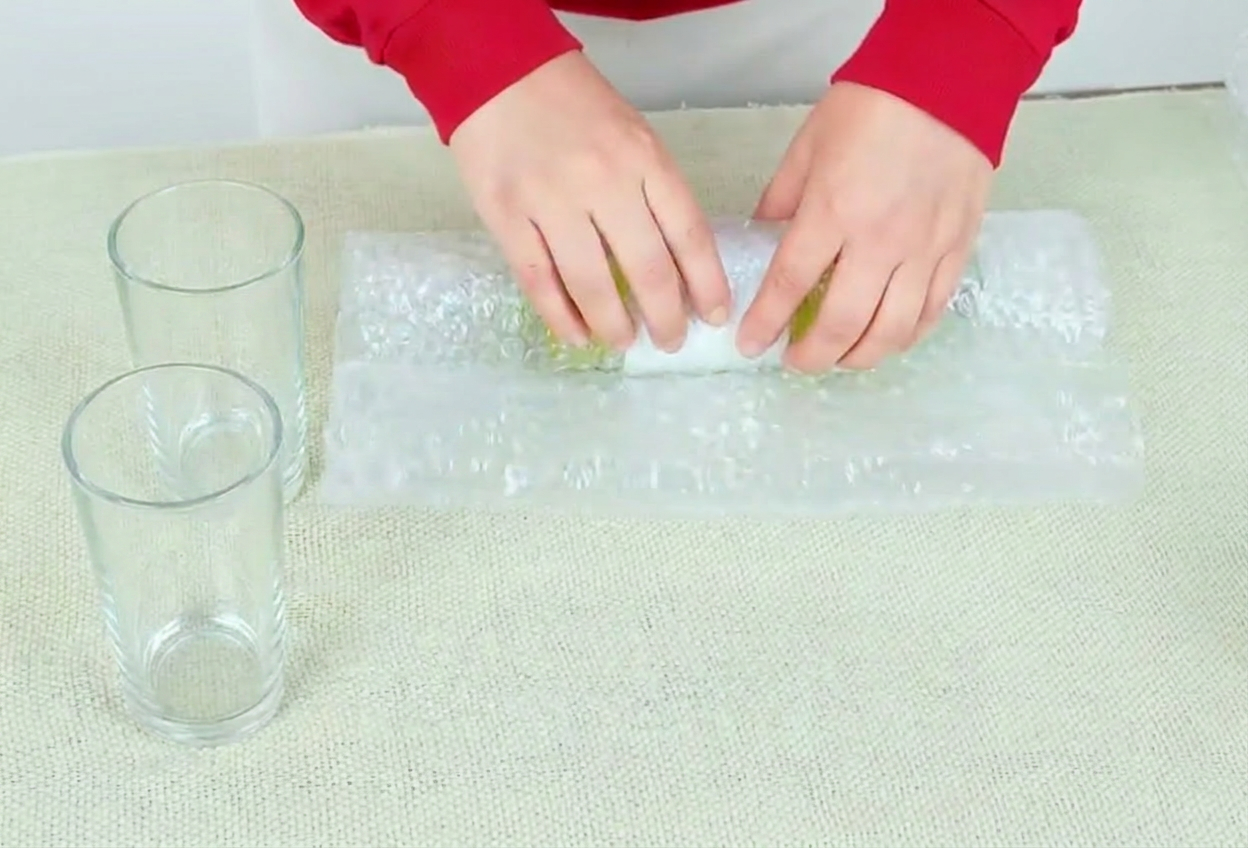 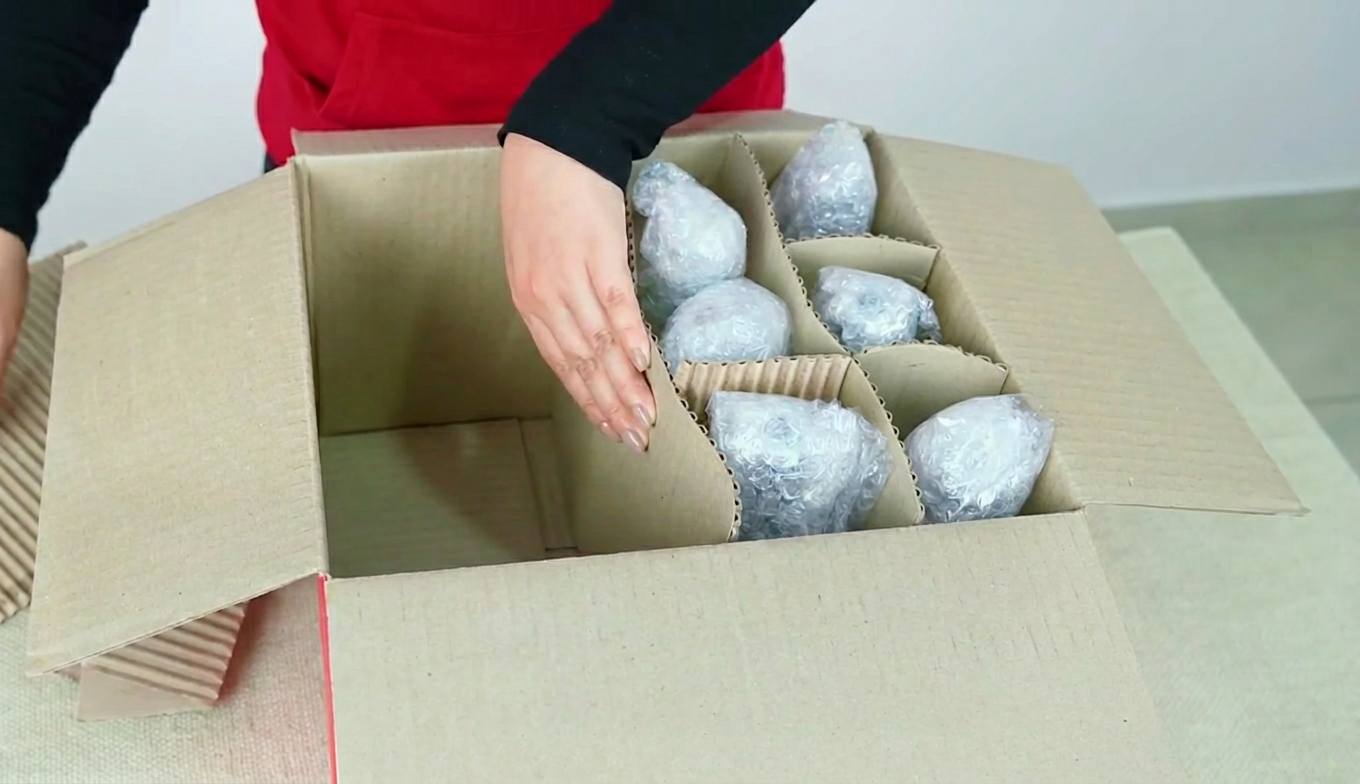 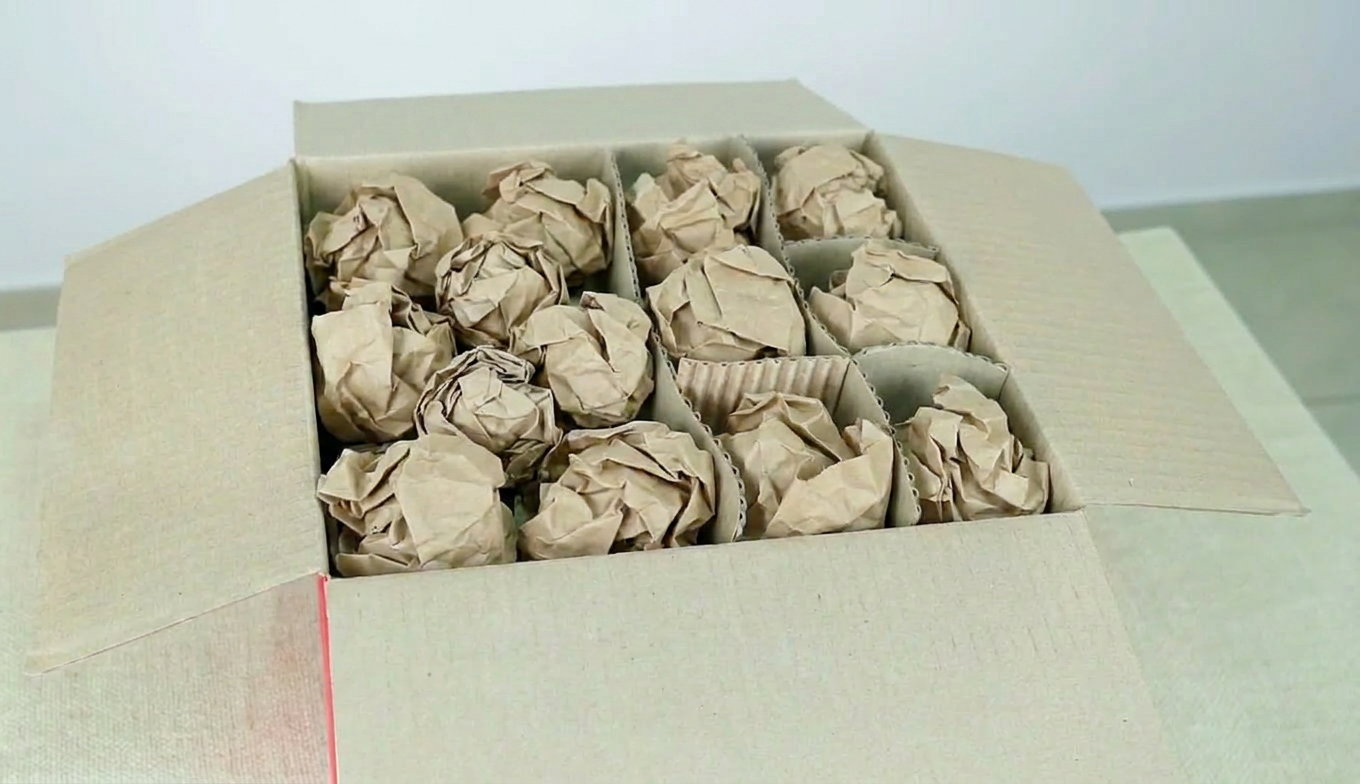  |
Water cup/kettle |
| 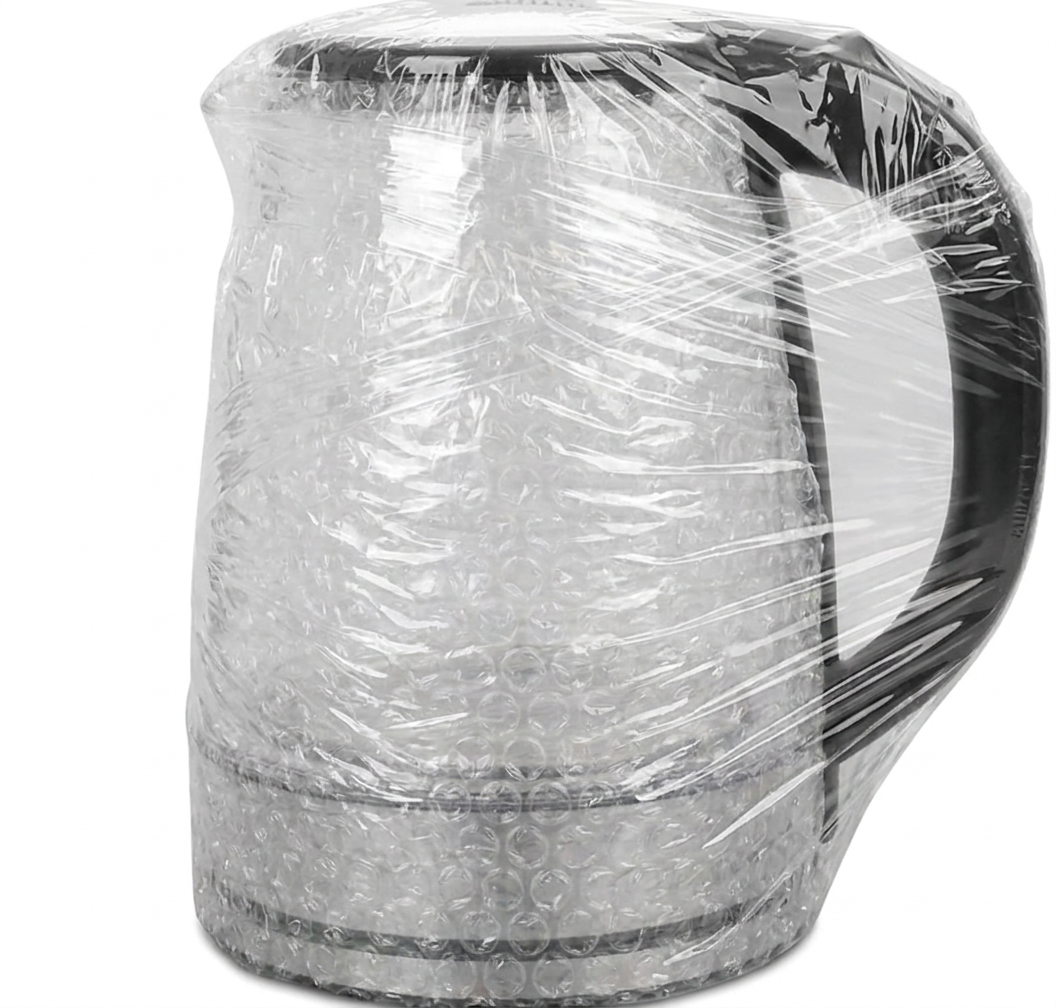 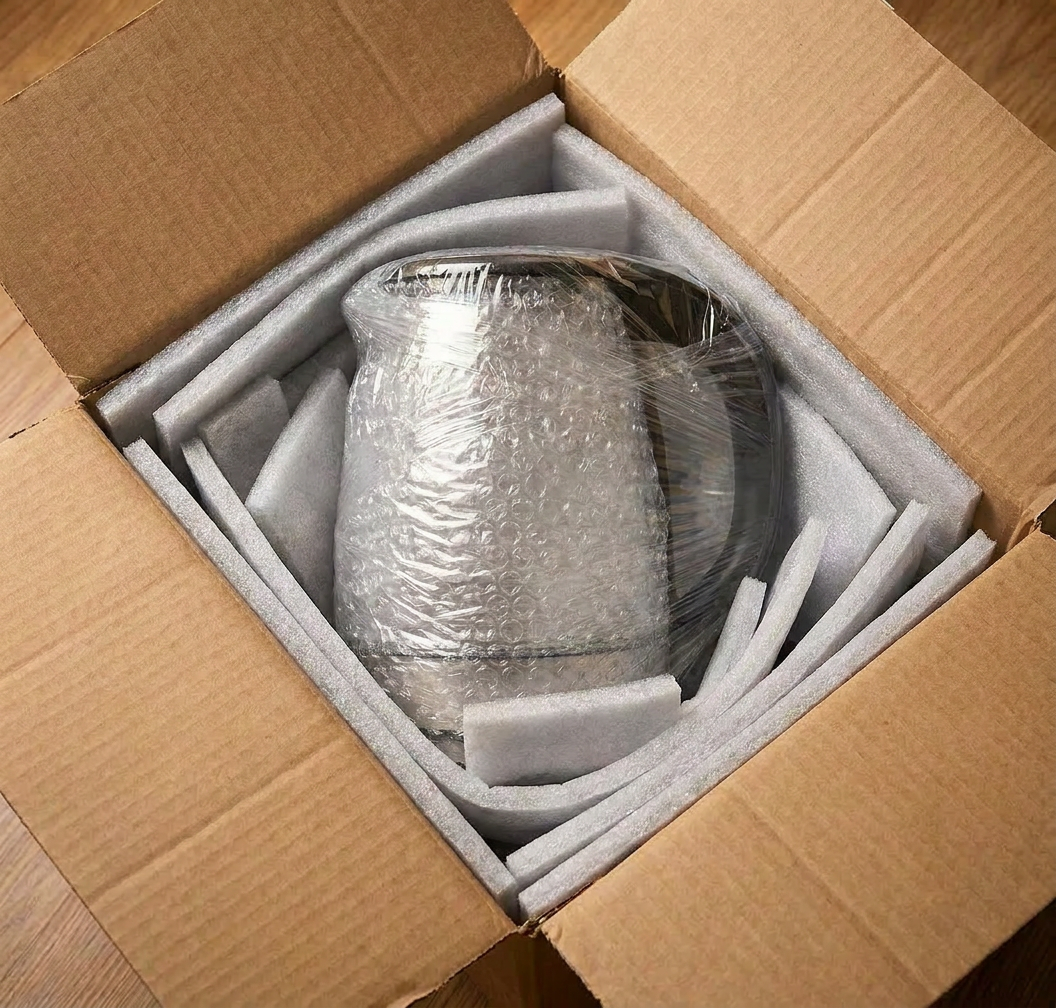  |
Plastic products |
| 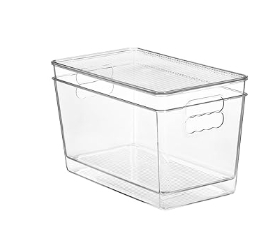 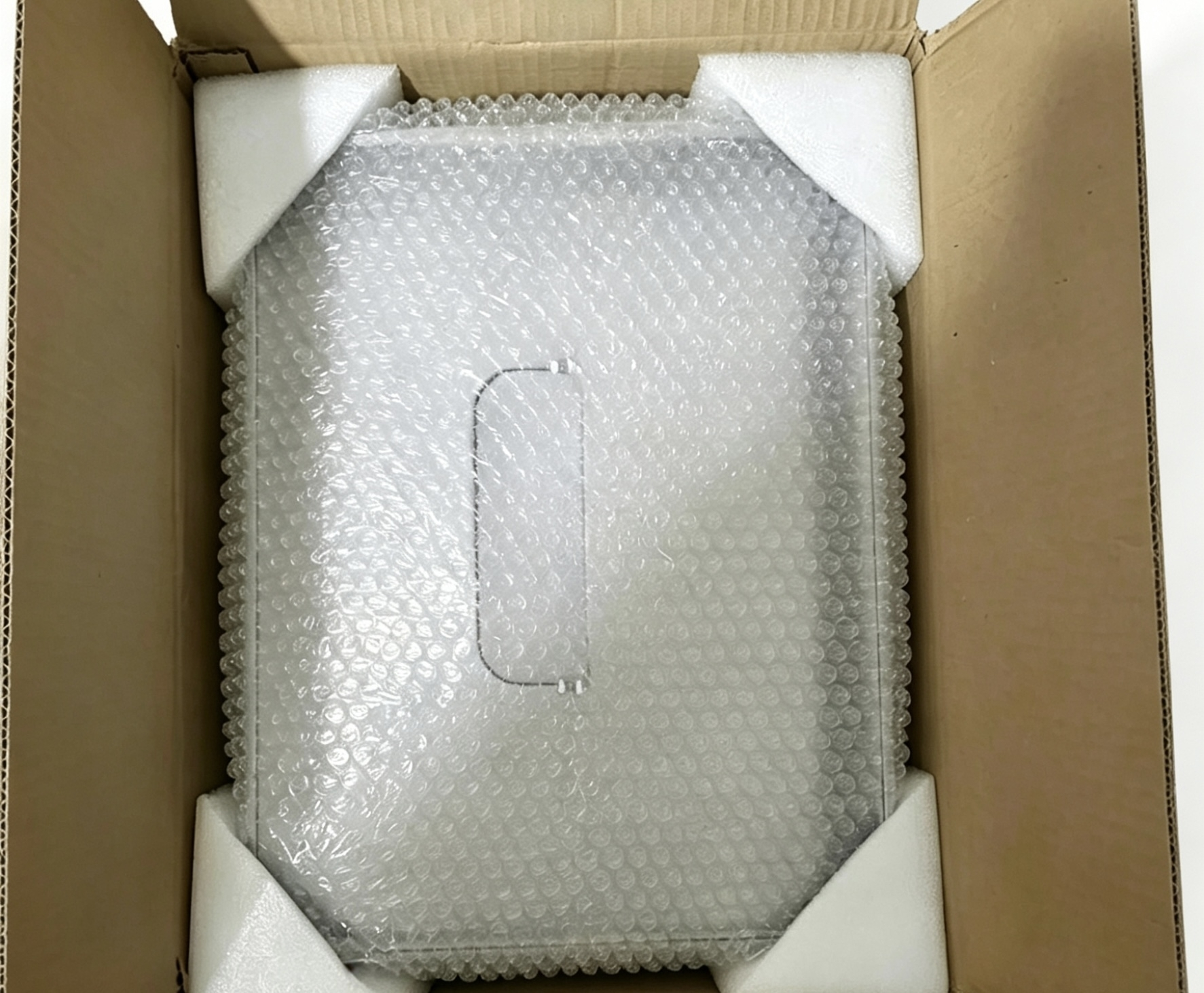 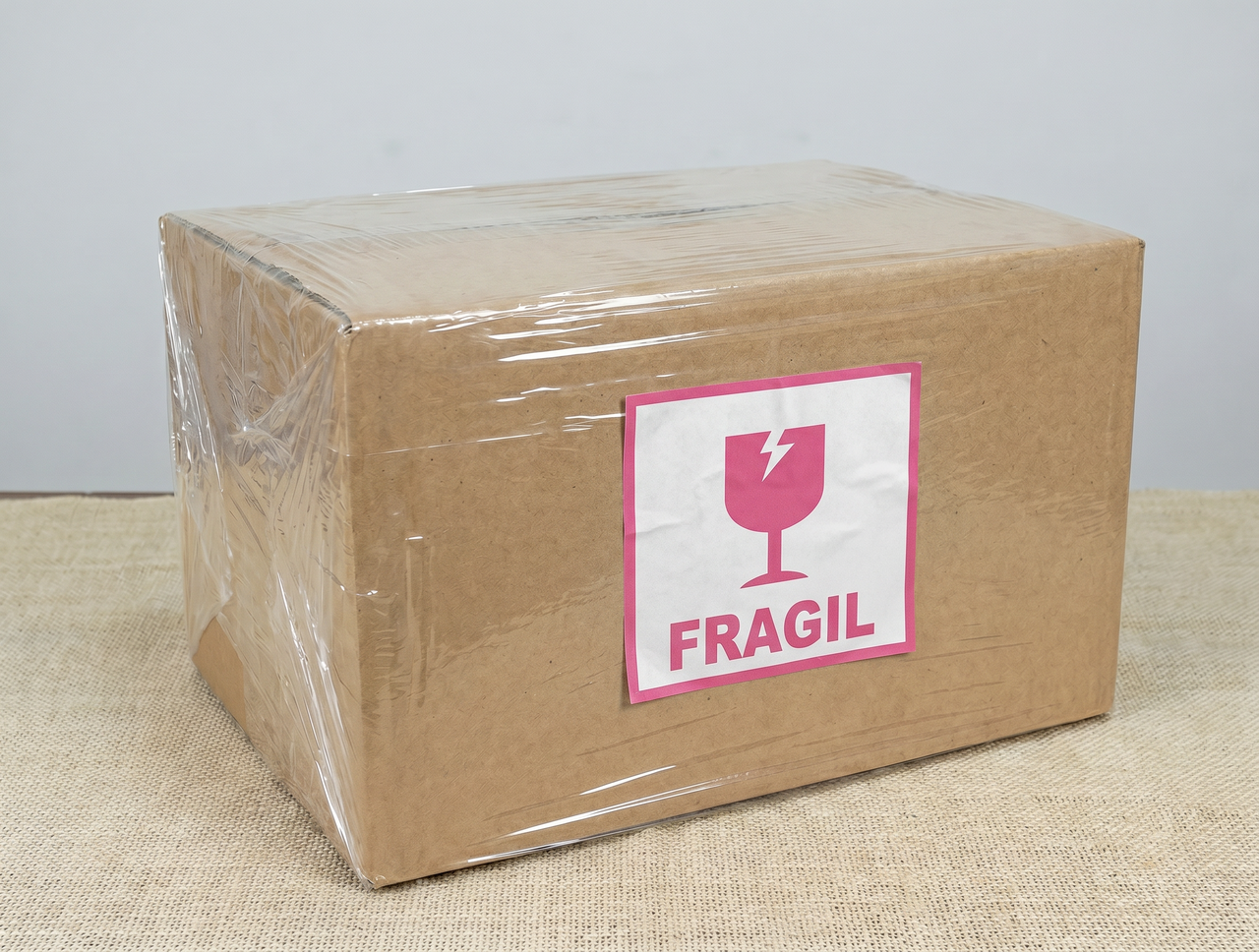 |
AnteriorShipped by Seller OverviewAvançar Announcement on the Special Governance of Damage Issues in Vulnerable Categories
También puede interesarte

[LATAM] Guide to the Fulfillment Performance Page
Your fulfillment performance is a key component of your shop's overall health. It not only impacts c…

TikTok Shop Seller Protection: Proof of Dispatch and Packing…
At Tiktok Shop, we are committed to providing a secure and fair trading environment for our sellers.…